
The fallout from conversations gone wrong is not pretty: trust and intimacy suffer, while resentment and misunderstanding build. But it is possible to improve the way we handle our most difficult personal conversations. Our relationships need to nourish us, not deplete us. Consider the following:
1. Set an agenda. Lay out the problem to be discussed, indicate that you want to hear the other person’s perspective and to speak your own, and that you’d like problem-solving to follow that.
- Listen first. Until people feel heard and safe, they won’t have the mind-space to hear you.
- Cultivate an attitude of discovery and curiosity. The authors of Difficult Conversations: How to Discuss What Matters Most found that people typically spend only about 10% of a difficult conversation on inquiry and 90% on advocating a position. A better balance leads to a better outcome.
- Strive to understand what people are thinking, feeling and needing, not just saying.
- Keep the focus on understanding what is happening between the two of you, not on “winning” or being right.
- Don’t ignore feelings. They are often at the heart of every difficult conversation—and they matter.
- Stay centered, supportive, curious and committed to problem-solving. Your attitude will greatly influence what you say.
- Notice when you become off-center. Breathe. Choose to return to yourself and your purpose.
- Return to asking questions about the other’s point of view if the conversation becomes adversarial.
- Be persistent in your efforts to keep the conversation constructive.
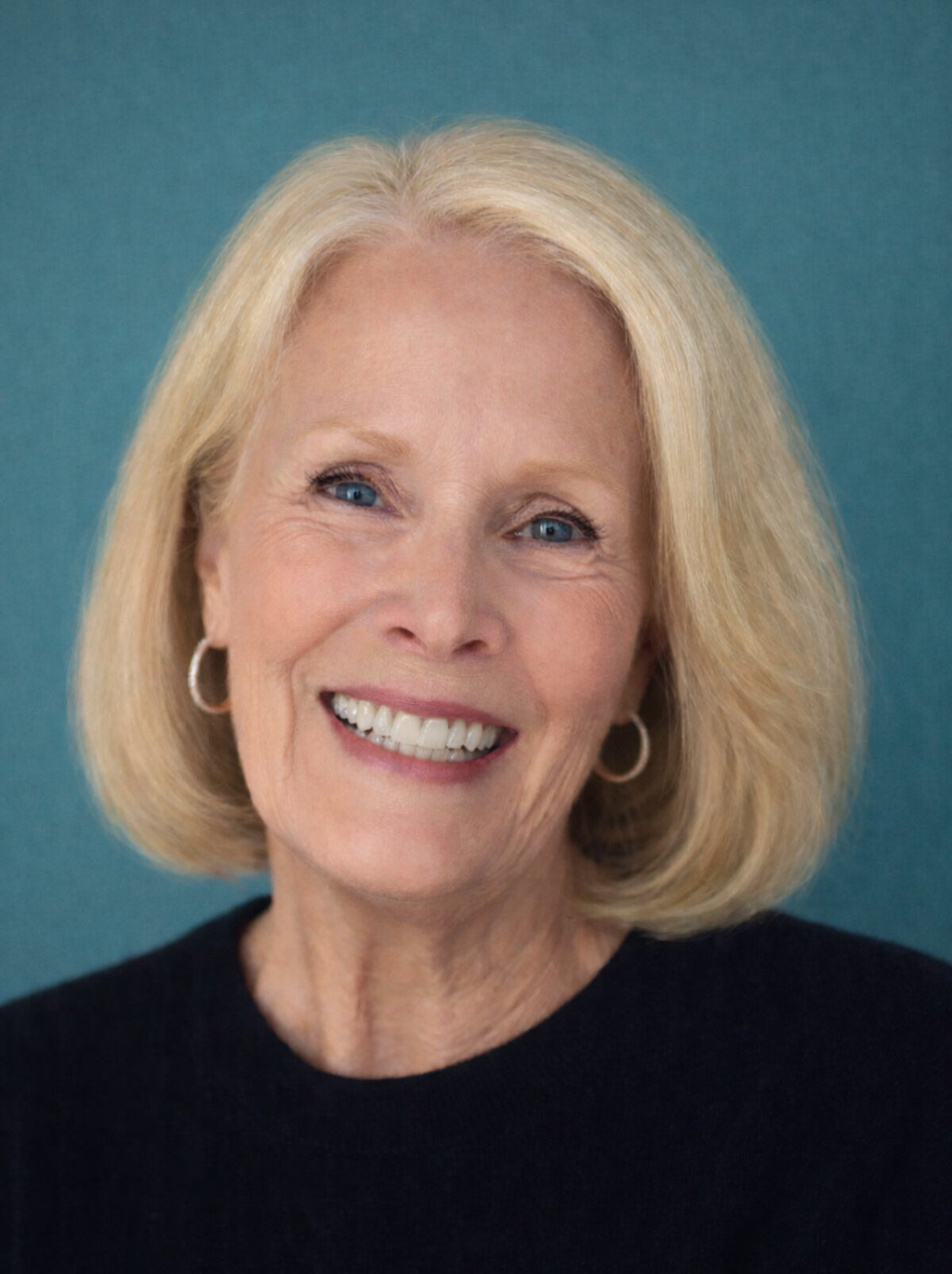
Dr. Rhea Haugseth has spent nearly five decades helping pediatric dental practices build exceptional teams.
As a pediatric dentist, practice owner, educator, speaker, and past President of the American Academy of Pediatric Dentistry, she has learned that successful practices are built through confident teams, strong leadership, and proven systems—not by chance.
She is the founder of the Pediatric Dental Team Association (PDTA) and the Atlanta Pediatric Dental Assistant School (APDAS), where she continues to develop practical resources, leadership strategies, and training programs designed specifically for pediatric dental practices.
A Diplomate of the American Board of Pediatric Dentistry and past President of the American Academy of Pediatric Dentistry, Dr. Haugseth continues to lecture nationally and practice pediatric dentistry, bringing real-world experience to every PDTA resource she creates.