How one simple leadership exercise can uncover opportunities to improve consistency, efficiency, and the patient experience.
Most pediatric dentists believe their team communicates consistently with patients and parents.
But do they?
When was the last time you asked each member of your team how they actually explain a procedure, answer a parent’s question, or complete a routine task?
The answers may surprise you.
Even practices with long-term, experienced team members often discover that everyone has developed their own way of communicating. New hires naturally bring habits from previous practices, dental assisting programs, hygiene school, or on-the-job experience. Long-time team members gradually develop their own routines over the years.
No one is trying to create inconsistency.
It simply happens when there are no documented systems and agreed-upon communication standards.
⚠️ The Hidden Costs
When every team member communicates differently, the effects quietly ripple throughout your practice.
✔️ Parents receive different explanations from different team members.
✔️ Patients become confused or uncertain.
✔️ Treatment acceptance may decrease because recommendations aren’t presented consistently.
✔️ Additional follow-up calls become necessary to schedule treatment, recalls, or sealants.
✔️ Team members unintentionally contradict one another.
✔️ The doctor spends valuable time re-explaining information.
✔️ New employees become confused because every trainer demonstrates the job a little differently.
✔️ The patient experience varies depending on which team member they interact with.
None of these issues seem major by themselves.
Together, however, they create hidden inefficiencies that affect your team, your patients, and your practice every single day.
💡 Try This Leadership Exercise
Over the next week, meet privately with each team member.
Choose your questions based on their current position in your practice.
Don’t tell them you’re asking everyone the same questions.
Simply ask them to describe how they normally perform a task or explain a procedure to a patient or parent.
For example:
Dental Assistant
🟪 How do you explain sealants?
🟪 What is your usual Tell-Show-Do explanation for restorative treatment?
🟪 How do you prepare the operatory before seating a patient?
Dental Hygienist
🟪 How do you explain fluoride?
🟪 What is your Tell-Show-Do explanation during a hygiene appointment?
🟪 How do you discuss home care with parents?
Front Desk Team
🟪 How do you answer a new patient phone call?
🟪 How do you explain the financial policy?
🟪 How do you follow up on unscheduled treatment?
Don’t ask them to teach or train.
Just ask them to describe what they actually do every day.
You don’t need to write down every word.
Instead…
👂 Listen for patterns.
📝 Notice where communication is consistent…
…and where it isn’t.
Pay particular attention when someone’s explanation or process isn’t how you want it done in your practice.
Those conversations will quickly identify opportunities to standardize communication and improve consistency throughout your office.
🛠️ Build One System at a Time
Developing Standard Operating Procedures doesn’t require leaving the office or writing an entire operations manual in one weekend.
It simply requires focused time.
Choose one system.
✔️ Discuss it.
✔️ Agree on the process.
✔️ Document it.
✔️ Train everyone.
✔️ Then move to the next system.
One well-developed system today creates greater consistency tomorrow.
📱 Let Your Team Help Develop Your SOPs
One of the fastest ways to develop an SOP is to involve the people who perform the job every day.
Ask the team member responsible for that task to use their phone to dictate exactly how they complete the process as they are doing it—or simply walk through it immediately afterward while it’s fresh in their mind.
Convert that recording into text with AI and use AI to organize it into a clear, step-by-step outline.
Repeat the process with other team members who perform the same responsibility.
Comparing those versions will quickly reveal:
🟣 Different sequences
🟣 Missing steps
🟣 Duplicate tasks
🟣 Different communication styles
🟣 Opportunities to improve efficiency
The doctor and team can then review those ideas together, decide what works best for your practice, and develop one agreed-upon SOP for each procedure/system in your office.
📚 You Don’t Have to Start from Scratch
Creating documented systems doesn’t mean reinventing every process.
The PDTA Pediatric Office Systems Library provides members with practical frameworks for many of the systems pediatric dental practices use every day.
These resources are not intended to become your office SOPs word for word.
Instead, they provide a guide to help organize your thinking, identify the essential steps, and assist your team as you develop systems that reflect your practice’s philosophy, standards, and expectations.
Members also have access to:
✔️ Practice Playbooks
✔️ Training Charts
✔️ Communication Scripts
✔️ Job Descriptions
✔️ Checklists for each position
Together, these resources help practices create greater consistency while developing SOPs that are uniquely your own.
💜 PDTA Leadership Pearl
“Your patients should receive the same exceptional experience regardless of which team member they see.”
Check out the PDTA HERE
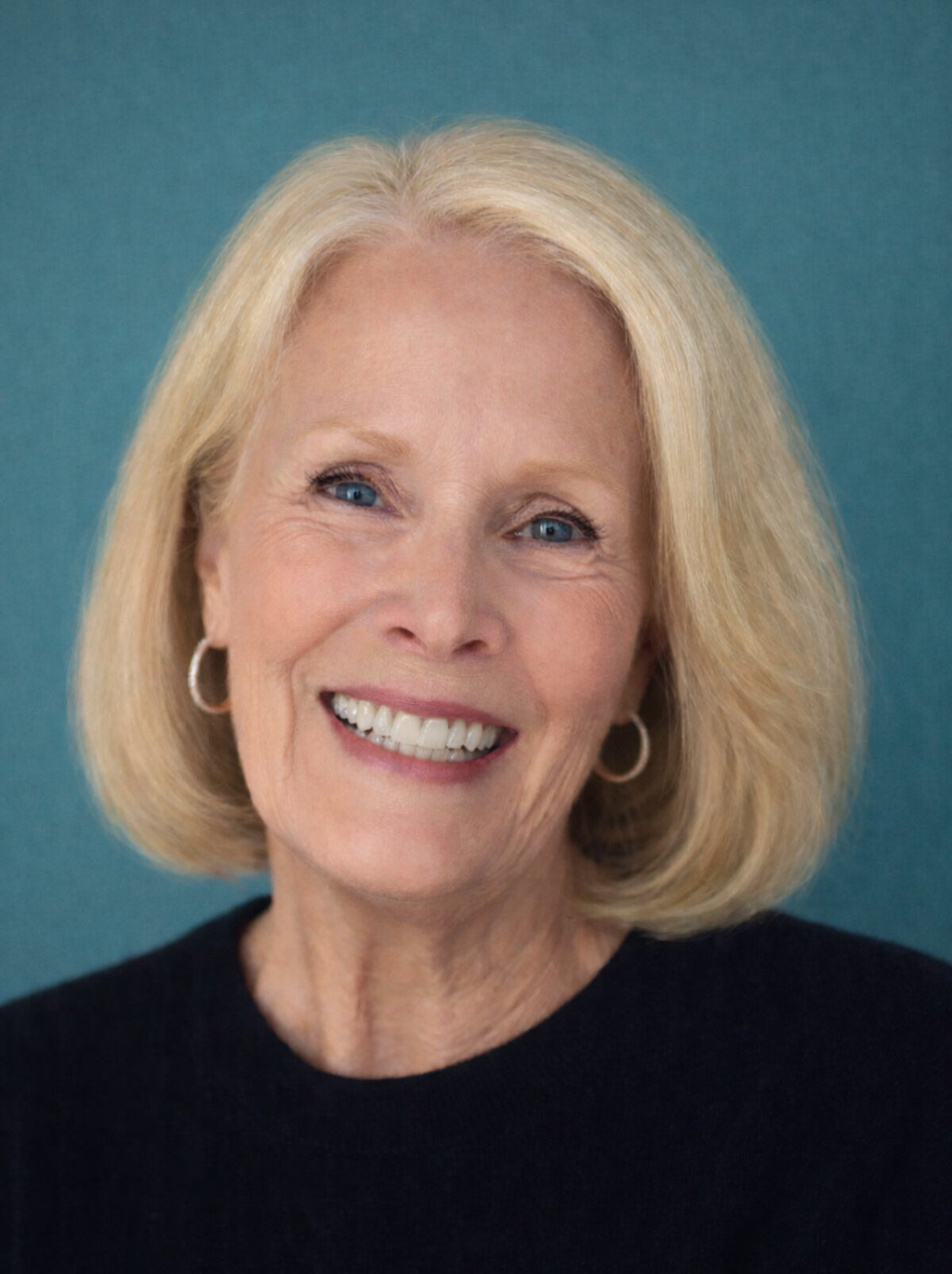
Dr. Rhea Haugseth has spent nearly five decades helping pediatric dental practices build exceptional teams.
As a pediatric dentist, practice owner, educator, speaker, and past President of the American Academy of Pediatric Dentistry, she has learned that successful practices are built through confident teams, strong leadership, and proven systems—not by chance.
She is the founder of the Pediatric Dental Team Association (PDTA) and the Atlanta Pediatric Dental Assistant School (APDAS), where she continues to develop practical resources, leadership strategies, and training programs designed specifically for pediatric dental practices.
A Diplomate of the American Board of Pediatric Dentistry and past President of the American Academy of Pediatric Dentistry, Dr. Haugseth continues to lecture nationally and practice pediatric dentistry, bringing real-world experience to every PDTA resource she creates.